By Benjamin Cross
When I wrote about The Hartland Diner, I knew it would stir emotion. Truth usually does. It doesn’t ignite fires—it reveals them.
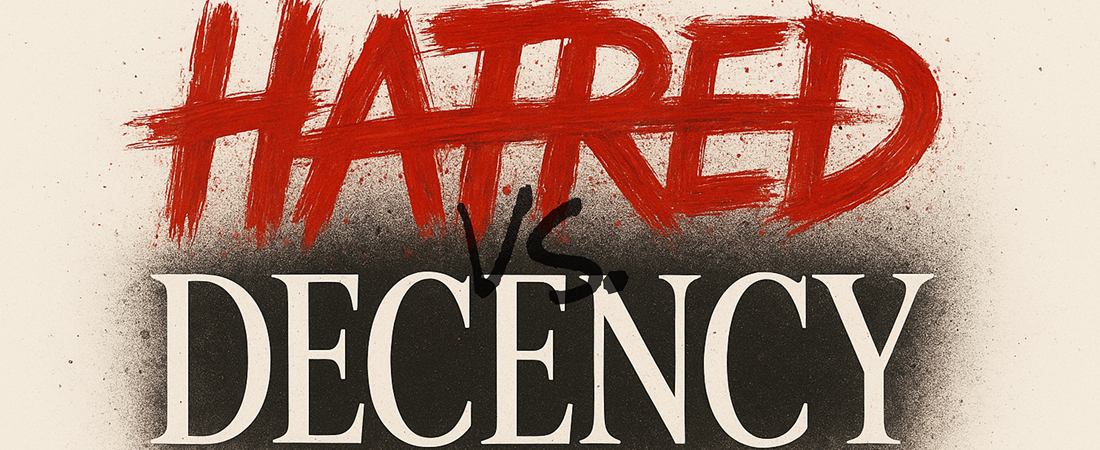
Some people said, “By writing that article, you’re feeding the fire.” But exposing hatred isn’t the same as spreading it. Pretending not to see it only lets it grow.
That piece wasn’t about politics; it was about conduct. A public call for harm against neighbors isn’t “spirited debate.” It’s a collapse of empathy. Naming that isn’t cruelty—it’s conscience.
I’m not interested in revenge or censorship. I’m interested in accountability. A healthy society depends on people who can disagree without dehumanizing each other. When that stops, everything else eventually does too.
Yes, extremists exist everywhere. But most Americans aren’t extremists—they’re tired of being told they have to live in outrage or silence. Real unity doesn’t come from pretending division doesn’t exist. It begins with courage: the courage to speak truth calmly, to stand firm without hatred, and to see people as people, even when we disagree.
If anyone—on any side—had made the same violent statements I wrote about, I’d have said the same thing. Because right and wrong don’t shift with ideology.
The Charlie Kirk Question
Some have asked, “If you oppose hate, why defend people like Charlie Kirk?”
Because disagreement isn’t hate, and conviction isn’t cruelty.
Charlie Kirk dedicated his life to encouraging young Americans to think critically, to speak honestly, and to take responsibility for what they believe. He built a movement that invited discussion, not silence. He stood for principles he thought would strengthen the country—faith, family, freedom—and he did so with purpose and courage.
I watched his work for years. What I saw wasn’t hatred; it was conviction. He spoke with energy and confidence, sometimes bluntly, but always with the intent to wake people up to the value of truth and honest debate.
Now he’s gone—killed for his beliefs. That should grieve everyone, regardless of politics. When words are answered with violence, we all lose something essential: the ability to resolve our differences peacefully.
Charlie Kirk’s life showed that one voice can still inspire courage. His death reminds us that conviction, when lived honestly, can carry real cost. That cost doesn’t make him divisive—it makes him brave.
We honor him not with anger, but with steadiness. By thinking critically. By speaking with integrity. And by remembering that our words have power—the power to harm or to heal.
The Donald Trump Question
Others will say, “You talk about decency and civility, but you support Donald Trump—a man who’s hateful all the time.”
I don’t excuse cruelty from anyone. But hatred isn’t measured by tone; it’s measured by intent. Donald Trump is blunt, confrontational, and imperfect—but his intent has been to defend the country, not divide it. You can dislike his delivery and still recognize what drives his supporters: they feel unseen and dismissed by leaders who stopped listening to them long ago.
Supporting Trump isn’t about endorsing every word he’s ever said. It’s about valuing strength, accountability, and leadership that refuses to bow to cultural intimidation. I won’t confuse firmness with hatred or moral conviction with meanness.
If you want to judge a leader’s heart, look beyond the sound bites. Look at what they fight for. Trump’s record—economic growth, border security, protecting faith in public life—reflects priorities that matter to millions of ordinary Americans. You can challenge his style, but it’s unfair to call defense of a nation “hate.”
He’s human—flawed, forceful, unfiltered—but also willing to take the hits most people avoid. Whether you love him or not, that kind of resolve deserves honesty in judgment, not hysteria in headlines.
Truth isn’t gasoline. It doesn’t burn down what’s good—it burns away what’s false. The goal isn’t to win arguments; it’s to restore honesty to how we speak and how we treat each other.
We can’t silence every voice of anger, but we can refuse to answer it with more of the same. That’s how civility begins again—not with comfort, but with courage.
Leave a Reply